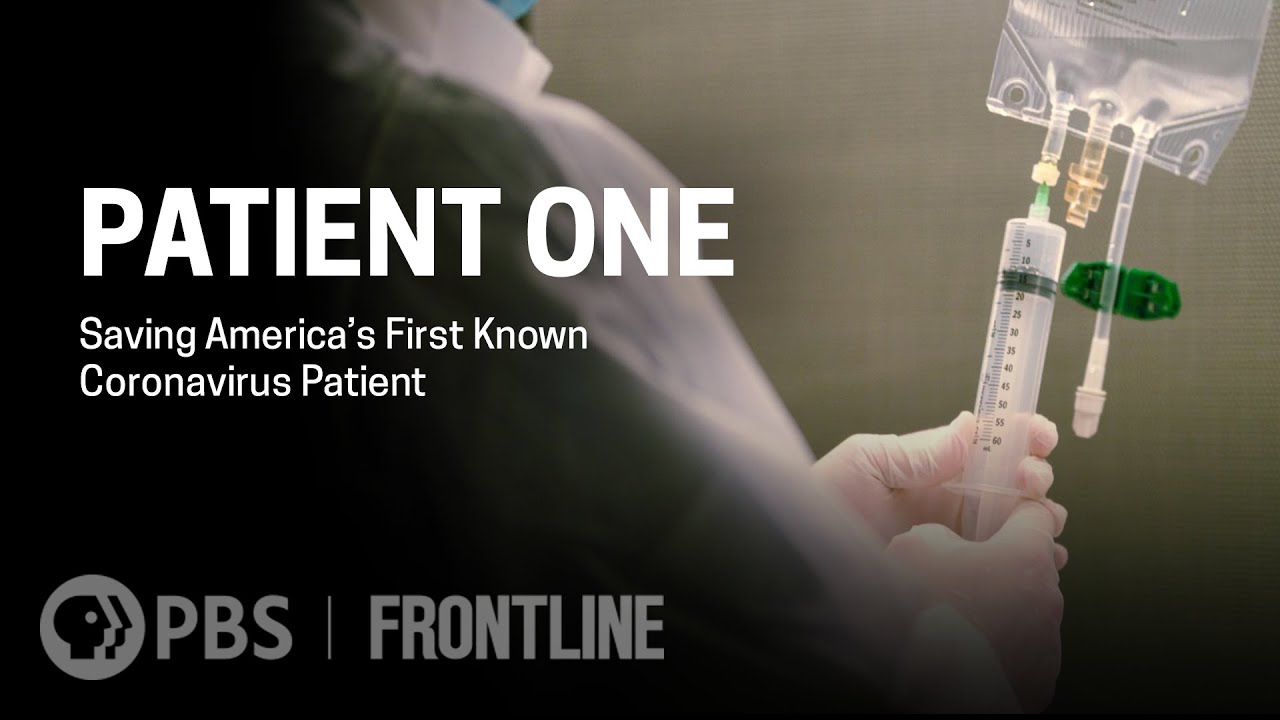
The Day the Pandemic Landed: Remembering America's First COVID Patient
January 21, 2020. The date etched into history as the day the mysterious novel coronavirus officially arrived on American soil. What began as a distant rumble of a new illness in Wuhan, China, suddenly became a tangible reality when the Centers for Disease Control and Prevention (CDC) confirmed the first case in the United States. This individual, a 35-year-old resident of Snohomish County, Washington, became known as America's Patient Zero. A year later, as the world grappled with the devastating aftermath of a global pandemic, looking back at this initial case offers a sobering perspective on what we learned and how our understanding evolved.
The man had fallen ill just four days after returning from a trip to Wuhan. Recognizing his symptoms and recent travel history, he sought medical attention, leading to a battery of tests that ultimately came back positive. He was immediately placed in deep isolation at Providence Regional Medical Center Everett. At the time, with less than a thousand cases reported worldwide, the threat felt contained, almost academic. Little did anyone know that this isolated incident was the precursor to a tragedy that would fundamentally reshape lives across the globe, claiming millions of lives and forever altering societal norms.
The early response to this Patient Zero's One-Year Later Story: The Pandemic's Beginning was a testament to preparedness and innovation. The patient was transported on a protective gurney into a specialized isolation room, originally established during the Ebola crisis of 2014-2016. A robot, equipped with a stethoscope and microphone, facilitated remote communication with doctors, minimizing direct exposure for medical staff. This technological ingenuity showcased an early glimmer of how healthcare might adapt to unprecedented challenges. After two weeks of inpatient care, the patient was discharged, then quarantined at home for another two weeks, making a full recovery. Despite being a pivotal figure in modern medical history, America's Patient Zero has maintained a strong preference for anonymity, a choice respected by the medical community that treated him.
A Year of Transformation: From Isolated Case to Global Crisis
The story of Patient Zero quickly transitioned from an isolated medical curiosity to a harbinger of a looming catastrophe. By February 21, 2020, just a month after the first case, a few dozen individuals across the country had tested positive. The virus was no longer confined to international travelers; it was beginning to establish footholds through community spread. Then, by mid-March, the world as we knew it ground to a halt. Schools shuttered, businesses closed their doors, and daily life transformed. Parents became impromptu educators, grocery clerks ascended to the status of essential front-line workers, and the simple act of human touch became a forbidden risk.
The subsequent year was a harrowing balancing act between economic survival and public health, punctuated by fear, uncertainty, and immense loss. "Touchless" interactions and "six feet apart" became common lexicon. The elderly, in particular, proved to be tragically vulnerable. Facilities like Sunrise View Convalescent Center and Retirement Villa experienced firsthand the devastating impact, with administrator Diane Lopes recalling the grim realization on March 14 when their first residents tested positive: "Here we go." Across Washington state, approximately 91% of fatalities were among those aged 60 and older, a stark reminder of the virus's disproportionate impact.
The pandemic unfurled in relentless waves. Periods where the curve seemed to flatten offered fleeting hope, only to be followed by new surges in cases, hospitalizations, and deaths. By the one-year mark of Patient Zero's identification, the global death toll exceeded 2 million, with over 400,000 lives lost in the United States alone. The sheer scale of this tragedy underscored a critical evolution in our understanding: while there was an initial Patient Zero, the widespread community transmission meant that nearly every town, every community, tragically had its own "Patient Zero" as the virus silently spread, fundamentally changing our perspective on how diseases disseminate.
Crucial Lessons Learned: Understanding the 'Patient Zero 2' Perspective
Looking back a year after America's first COVID patient, our collective understanding—a sort of Patient Zero 2 level of insight—had deepened immeasurably. We moved beyond merely identifying an initial case to comprehending the intricate dynamics of a global health crisis. What did we learn from this unprecedented year?
- The Criticality of Rapid Identification and Isolation: The swift action taken with America's first patient underscored the importance of early detection and containment. However, the subsequent widespread transmission highlighted the immense challenge of scaling such efforts globally.
- The Unrelenting Speed of Global Spread: International travel, a hallmark of modern life, became an accelerant for the virus. The rapid progression from a localized outbreak in Wuhan to a global pandemic emphasized the need for coordinated international public health responses and travel advisories.
- The Silent Threat of Asymptomatic Transmission: One of the most insidious aspects of COVID-19 was its ability to spread from individuals who showed no symptoms. This revelation completely altered our approach to containment, necessitating universal masking and social distancing measures.
- Overwhelming Healthcare Systems: Hospitals and intensive care units, like Providence Regional Medical Center Everett where Patient Zero was treated, became the front lines of a relentless battle. The continuous waves of patients pushed healthcare infrastructure to its breaking point, revealing critical needs for surge capacity, staffing, and resource allocation.
- Vulnerability of Specific Demographics: The devastating impact on the elderly and those with underlying health conditions became tragically evident. This led to targeted protection strategies, vaccine prioritization, and a greater emphasis on protecting vulnerable populations.
- The Power of Public Health Measures: Despite initial skepticism, measures like masking, social distancing, and lockdowns proved instrumental in flattening the curve, though their economic and social costs were significant.
- The Indispensable Role of Front-Line Workers: From nurses like Sara Gering, who bore witness to countless final moments, to grocery store clerks and delivery drivers, countless individuals stepped up, often at great personal risk, to keep society functioning. Their dedication underscored their invaluable contribution.
- The Need for Scientific Literacy and Clear Communication: The pandemic highlighted the societal impact of misinformation and the critical importance of trusted scientific institutions and transparent public health messaging.
- Technological Adaptation and Innovation: Beyond the robot doctor, the year saw an acceleration in telemedicine, remote work, and, most notably, the unprecedented speed of vaccine development and deployment, offering the first real path out of the crisis.
The journey from a single identified Patient Zero's Aftermath: Tracking COVID-19's First Year to understanding the full scope of the pandemic was a crash course in global epidemiology and societal resilience. The insights gained constituted a new level of awareness, a deeper, more comprehensive understanding of viral spread and its consequences, which we can call the Patient Zero 2 perspective.
Conclusion
The story of America's first COVID patient, identified on January 21, 2020, serves as a powerful reminder of how quickly a localized health concern can escalate into a global catastrophe. A year later, the world had been irrevocably changed, scarred by immense loss but also galvanized by collective efforts and rapid scientific advancements. From the initial, contained response to Patient Zero, we gained a profound and often painful education about viral transmission, public health imperatives, and the resilience of human spirit. The lessons learned during this transformative year—a robust Patient Zero 2 understanding—continue to shape our strategies for managing ongoing health crises and preparing for future pandemics, ensuring that the sacrifices made were not in vain, and that we emerge stronger and more prepared.